
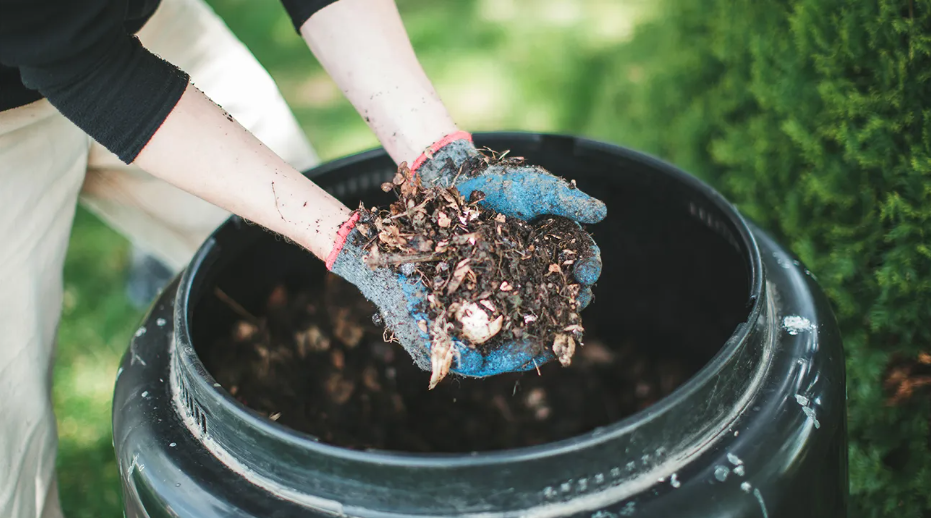
Composting is a simple and rewarding way to reduce waste and create nutrient-rich soil for your garden. By transforming kitchen scraps and yard waste into valuable compost, you contribute to a more sustainable and eco-friendly environment.
Start by selecting a composting method that suits your space and needs. You can choose between traditional composting bins, worm composting (vermicomposting), or composting in a pile.
Collect a variety of materials for your compost, including fruit and vegetable scraps, coffee grounds, eggshells, yard trimmings, and shredded paper. Avoid adding meat, dairy, and oily items as they may attract pests.
Layer your compost materials to maintain a balance between carbon-rich (browns) and nitrogen-rich (greens) materials. Browns include things like leaves and paper, while greens include kitchen scraps and grass clippings.
Turn or aerate your compost regularly to promote decomposition and prevent odors. Depending on the composting method and environmental conditions, your compost should be ready in a few months to a year.
Once your compost is dark, crumbly, and has an earthy smell, it's ready to use. Spread it in your garden beds, mix it with potting soil, or use it as a natural fertilizer for your plants.
Composting at home is a satisfying way to close the loop on organic waste and create nutrient-rich soil that benefits both your garden and the environment. By taking this eco-friendly step, you contribute to a more sustainable future.